

Floor Coatings in Newcastle
Choosing Between Polyurethane and Oil
The coating decides almost everything you'll notice about a finished floor: how much the timber's colour deepens, how light sits on it, how it handles a dropped pan and how long before the furniture can go back. At Freedom Flooring, floor coatings in Newcastle come down to three families and they behave quite differently. Solvent-based polyurethane deepens and warms the timber's colour and builds a hard film. Water-based polyurethane keeps the timber closer to its natural shade, carries far less odour and recoats faster. Modified oils penetrate rather than sit on top, which makes worn areas repairable in place. All three depend on proper floor sanding first. Call 0404 606 142 to see samples.

Comparing Finishes and Sheen Levels
There are really two decisions: which coating family to use, and how much sheen you want off it.
Solvent-based polyurethane gives the deepest colour change and a very hard film. It carries a strong odour during application and needs longer between coats, so the house is typically unusable for several days.
Water-based polyurethane keeps timber close to its raw colour and has minimal odour. Recoat windows are much shorter, which makes it the practical choice in occupied homes and commercial spaces.
Modified oils soak into the timber rather than forming a surface film. Worn areas can be cleaned and re-oiled in place without sanding the whole floor, though the finish needs topping up more regularly than a polyurethane.
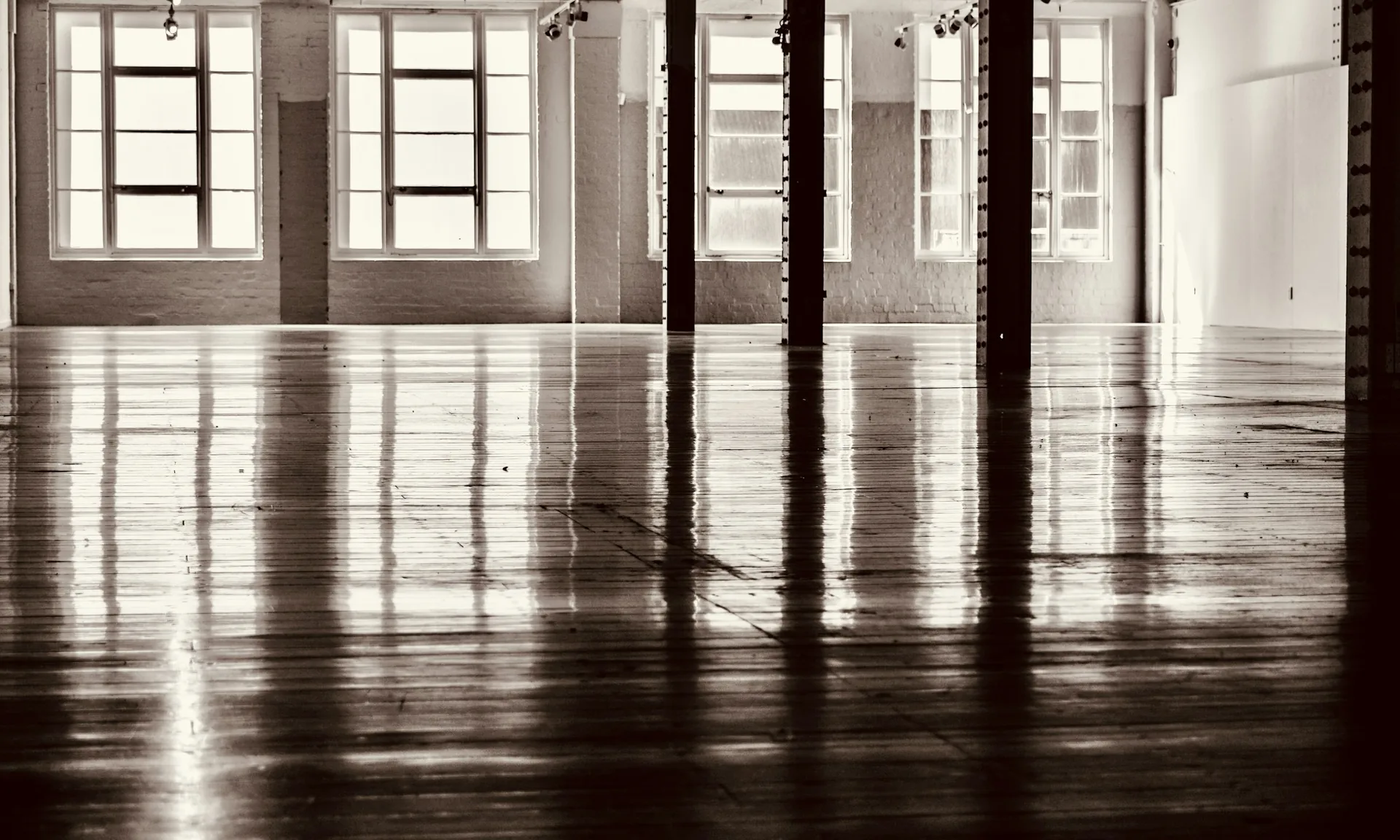
Sheen runs from matte through satin to gloss, and it changes maintenance as much as looks. Gloss reflects light beautifully but shows every scratch and dust mark, while matte and satin disguise wear in a busy house.
FAQs
- Solvent-based products deepen and warm the timber's colour and build a hard film, but carry strong odour and longer drying times. Water-based products keep the timber nearer its natural shade, have low odour and recoat much faster, which is why they suit occupied spaces.
- A floor will usually take light foot traffic well before it's fully cured, but furniture and rugs need to wait until the coating has hardened properly. The exact timing depends on the product, the number of coats and the temperature and humidity while it cures.
- Where the existing coating is intact and only dulled, a light abrasion and a fresh coat will bond and refresh the floor. Once the finish has worn through to bare timber in traffic paths, the whole floor needs sanding so the new coat sits on a uniform surface.